


Category
RFx & Bid ManagementDate Posted
December 30, 2025Bid Management: A Step-by-Step Guide for Buyers
This guide makes the world of bid management easier for people who buy things for their company. We’ll walk through every step together – from finding the right opportunity to picking the best supplier. You’ll discover simple ways to get better results, smart tools to save time, and how to avoid common mistakes. This isn’t just about following rules – it’s about finding partners who truly understand your needs and help your organization succeed.
Introduction
Every organization wants to grow and get the best value from its suppliers. When you need to buy something important for your company, the way you ask for and review bids matters more than you might think.
This is where good bid management becomes your best friend. It’s simply the organized way of handling everything from start to finish when you’re looking for suppliers. When you do this well, something interesting happens – you don’t just get proposals, you get quality proposals from suppliers who really understand what you need.
And that makes all the difference. Because at the end of the day, this isn’t about paperwork or processes. It’s about finding the right partner who will help you achieve your goals and deliver real value to your organization.
What is Bid Management?
The Role of the Bid Manager and Team
Someone needs to lead this process. In younger companies (SME), that might be you wearing many hats. In bigger organizations, there’s usually a dedicated person (or team).
But here’s what matters most – whoever leads this needs to be good at bringing people together. You’ll work with technical experts who know what you actually need, finance people who understand budgets, and legal teams who keep everything compliant.
The best bid managers act like translators. They help different departments understand each other and make sure nothing falls through the cracks. They’re organized, they communicate clearly, and they keep everyone focused on the end goal.
Understanding what is bid management helps you see why this role matters so much. It turns what could be a messy, stressful process into something smooth and strategic.
The Bid Management Process: A Step-by-Step Guide
A good bid management process isn’t complicated, but it does need structure. Think of it like a recipe – you can adapt it to your needs, but the basic steps stay the same.
1. Pre-Bid Preparation and Opportunity Definition
Before you tell anyone you’re looking for suppliers, you need to be clear about what you actually want. This sounds obvious, but you’d be surprised how many organizations skip this step.
Sit down with your team. What problem are you trying to solve? What does success look like? What’s your budget? These conversations now will save you hours of confusion later.
2. Bid Kick-Off and Tender Document Creation
Get your team together for a kick-off meeting once you know what you want. Everyone needs to understand their role and when things need to happen.
Then comes writing the tender documents. This is where you tell suppliers exactly what you need and how you’ll decide who wins. Be explicit here: if you ask for anything unclear, you’ll get a vague answer.
3. Issuing the Tender and Managing Clarifications
Now you publish your opportunity on the right websites and platforms. Government contracts go on sites like Contracts Finder. Private sector opportunities might use different platforms.
Here’s something important – suppliers will have questions. Good tender management means being honest about these questions and letting everyone know the answers.

4. Proposal Evaluation and Analysis
Post deadline, you review every proposal against your set criteria. The bid management process here involves three key steps:
- Compliance Check: Making sure suppliers included everything you asked for
- Quality Review: Seeing how well their solution matches your needs
- Price Analysis: Understanding their commercial offer and comparing value
For complex projects with many parts, this gets tricky. That’s why asking for itemized bids helps so much. Instead of one big number, suppliers break down their costs by component. Tools like ProcureKey’s AI-Powered Itemized Bidding Software can automate this comparison, making it easier to see exactly where your money goes.
5. Post-Submission Activities: Negotiations and Revisions
Sometimes you need more information before making a final decision. You might ask your top choices to present their solutions, answer more questions, or even negotiate on certain terms.
This back-and-forth helps you get exactly what you need while giving suppliers a chance to refine their offer.
6. Contract Award and Feedback
When you’ve made your choice, tell everyone – winners and losers alike. It might feel uncomfortable giving bad news, but good suppliers appreciate honest feedback about how they can improve next time.
This feedback also builds your reputation as a fair buyer, which attracts better suppliers in the future.
7. Look Back, Learn, and Improve
Don’t just move on to the next project. Meet with your team to discuss what worked and what didn’t. These lessons make your next procurement even better.
Maybe your timeline was too tight. Perhaps some questions weren’t clear enough. Whatever you learn, write it down and use it next time.
Best Practices in Bid Management
Good practices make everything easier. They reduce stress, prevent mistakes, and help you focus on what really matters – finding the right supplier.
1. Establish Clear Processes and Ownership
Every project needs someone in charge. That person doesn’t have to do everything, but they need to make sure everything gets done.
Write down your process, even if it’s simple. When everyone knows what to expect, things run smoother. And when new people join your team, they can get up to speed quickly.
2. Use Data for Smart Decisions
Your gut instinct matters, but data tells the real story. Look at how suppliers performed in the past. Check market prices to know if a bid is reasonable. Use scoring sheets so everyone evaluates proposals the same way.
This isn’t about being cold or robotic – it’s about being fair and making decisions you can defend later.

3. Foster Efficient Collaboration
Good evaluation needs different types of expertise. Technical people understand if a solution will work. Finance teams know if the price makes sense. Legal experts spot potential problems.
Get everyone together regularly, even if it’s just a quick check-in. Use shared documents so everyone sees the same information. Clear communication prevents misunderstandings that slow things down.
4. Maintain Careful Version Control
Documents change during the process. Questions get answered, terms get negotiated, and proposals get updated. If you’re not careful, people end up looking at different versions.
Use simple file names with dates and version numbers. Or better yet, use a shared platform where there’s only one current version of each document.
5. Give Helpful and Timely Feedback
Nobody likes vague feedback. “Your proposal lacked detail” doesn’t help anyone improve. Instead, point to specific sections and explain exactly what information was missing.
Good feedback helps suppliers do better next time, which means better bids for you in the future. It’s worth the extra few minutes to be specific.
Bid Management Strategies
Beyond following steps, successful procurement teams think strategically. They don’t just want compliant bids – they want the perfect partner for their specific needs.
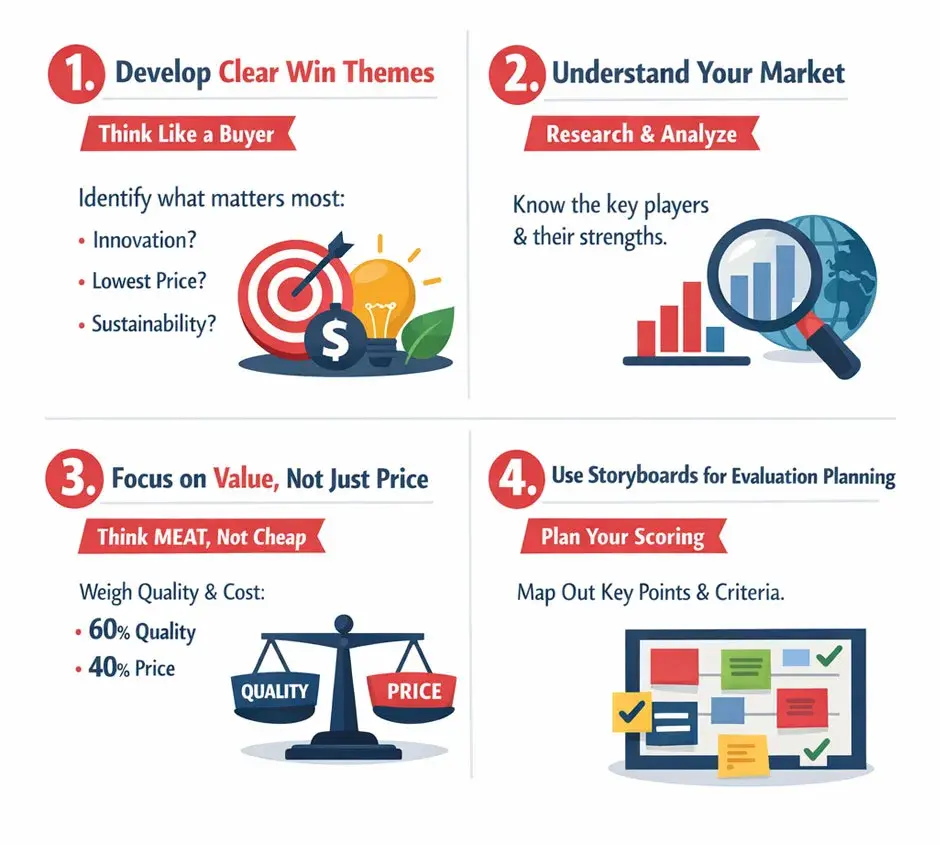
1. Develop Clear Win Themes (from a Buyer's Perspective)
Before writing your tender, know what you're really looking for. Are you prioritizing innovation? The lowest price? Long-term reliability? Environmental responsibility?
These are your "win themes" - the things that matter most to your organization. Build your evaluation around these priorities, and you'll end up with a supplier who truly fits your needs.
2. Understand Your Market
Know who's out there before you start asking for bids. Research the key players in your industry. Understand their strengths, their typical pricing, and what sets them apart.
This knowledge helps you write better tender documents and set realistic expectations. It also prepares your evaluation team to spot real value when they see it.
3. Focus on Value, Not Just Price
The cheapest option isn't always the best deal. A supplier who delivers on time, provides great service, and helps you avoid problems might be worth paying a bit more for.
Most smart buyers weight their scoring to reflect this - maybe 60% for quality and technical merit, 40% for price. This approach helps you find the Most Economically Advantageous Tender (MEAT), which considers the whole picture, not just upfront costs.
4. Use Storyboards for Evaluation Planning
For each important question in your tender, think about what a great answer would include. Write this down as a "storyboard" - the key points, evidence, and impact you want to see.
This gives your evaluation team a roadmap to follow, making scoring more consistent and fair. It also helps you spot truly exceptional responses that go above and beyond.
Common Challenges and How to Overcome Them
Even with good planning, things can go wrong. But when you know what to expect, you can prepare solutions ahead of time.
Challenge: Managing Subject Matter Experts (SMEs)
Your technical experts are busy people with day jobs. Getting their focused input can be like herding cats.
The Fix: Involve them early and make their job easy. Give them clear guidance about what you need from them and when. Block time in their calendars for evaluation work. Show them exactly which parts of each proposal need their expertise, so they’re not reading everything.
Challenge: Last-Minute Rushes and Deadline Pressure
When everything gets left to the last minute, people make mistakes. Important details get missed, and stress levels go through the roof.
The Fix: Build buffer time into your schedule. Set internal deadlines well before the final decision date. A simple project plan shows everyone where things stand and keeps the team on track.
Challenge: Inconsistent Evaluation
When different people score proposals differently, the results aren’t fair. One person’s “good” might be another person’s “excellent.”
The Fix: Hold a calibration session before scoring begins. Have the team evaluate a sample response together to align on what the criteria actually mean. AI-driven tools like ProcureKey can also help by automatically scoring responses based on your predefined standards, flagging inconsistencies before they become problems.
Challenge: Lack of Detailed Pricing
When suppliers just give you one big number, it’s hard to compare offers fairly. You can’t see where costs are concentrated or if you’re paying too much for certain components.
The Fix: Require itemized bidding in your tender. Make suppliers break down their pricing by line item or service. This transparency lets you compare apples to apples and sometimes even split contracts between suppliers to get the best value for each part.
Tools and Software for Bid Management
The right tools make everything easier. You don’t need expensive software to start, but as your procurement grows, better tools can save significant time and improve results.
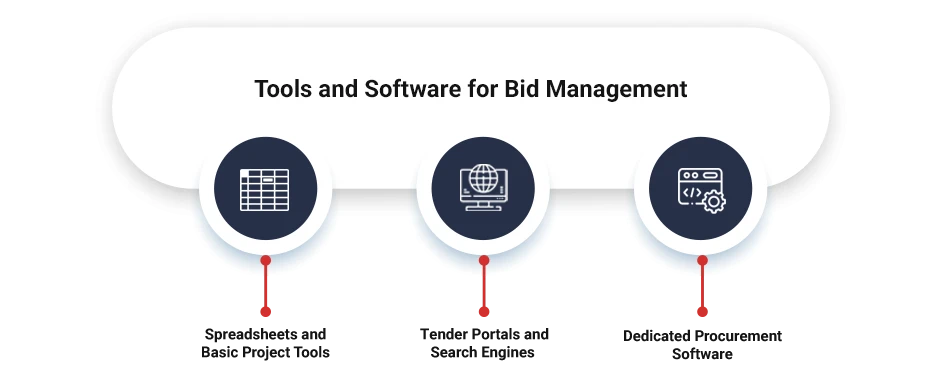
1. Spreadsheets and Basic Project Tools
For smaller teams or simpler projects, basic tools work fine. An Excel sheet can track evaluation progress with simple red, amber, green ratings. Free tools like Trello or Google Spaces let you assign tasks, set deadlines, and see progress in real time.
2. Tender Portals and Search Engines
Different types of opportunities appear on different websites. Government contracts show up on Contracts Finder and Find a Tender. Local authorities often use platforms like Pro-contract. These sites handle the whole process from document sharing to final submission.
3. Dedicated Procurement Software
When you’re handling bigger projects or doing this regularly, specialized software makes sense. These platforms bring everything together in one place:
- Centralized Management: One location for all sourcing activities, from setup to award
- Supplier Portals: Secure areas where vendors can access documents, submit proposals, and communicate with you
- Automated Evaluation: AI tools that can score responses against your criteria, saving time and reducing bias
- Audit Trails: Automatic logging of all activities for transparency and compliance
Some systems offer specialized features. ProcureKey’s Itemized Bidding Software, for example, helps procurement teams break complex projects into precise components and evaluate each piece individually. This approach works especially well for organizations wanting to improve their RFP process and increase vendor competition.
Tracking Your Success
To know if your bid management is working, you need to measure the right things. This isn’t just about checking boxes – it’s about proving the value to your organization.
Quality of Received Bids
Cost Savings
Faster Cycle Times
Supplier Performance
Industry-Specific Tips
While the basic definition of bid management stays the same everywhere, different industries have unique considerations:
Construction and Civil Works
Healthcare
IT and Technology
Professional Services
Moving Forward
Managing bids can feel overwhelming, especially when you’re new to it. But remember – this is a process you can control and improve over time.
Start with the basics. Be clear about what you want, fair in how you evaluate proposals, and honest in your feedback. As you get more comfortable, you can add tools and refine your approach.
Good tender management isn’t about perfect processes or expensive software. It’s about being systematic, fair, and focused on finding the right partner for your needs.
And that’s ultimately what this is all about – not just buying something, but finding suppliers who understand your challenges and can help you succeed. When you get that right, everyone wins.
Frequently Asked Questions
Lorem ipsum dolor sit amet, consectetur adipiscing elit. Ut elit tellus, luctus nec ullamcorper mattis, pulvinar dapibus leo.
 17th, June 2026 | 12:00 PM EST
 30 Min + Q&A