


Category
Procurement Strategy & TrendsDate Posted
March 10, 2026Today, business leaders say protecting their profit margins is a major goal. The supply chain is changing at an astonishing speed demanding out of the box ideas and better, improved teamwork across departments. Teams are being asked to save money while keeping the business safe, tracking supplier performance, and following strict rules. Here is a look at the procurement industry trends shaping how companies will source and buy effectively in 2026.
Quick Summary of 2026 Trends
Studies show that moving the buying process online can handle up to 60% of manual tasks automatically. Here is a quick look at the movements driving those exact results.
| Trend | Core Impact on Operations |
|---|---|
| 1. Accountable AI | Artificial intelligence moves from testing into daily action with strict human checks. |
| 2. Agentic AI | Smart software takes over routine tasks like tracking risks and reviewing contracts. |
| 3. Workflow Orchestration | Different software systems link up to create one smooth path from request to payment. |
| 4. Real-Time Spend Data | Slow monthly reports change to instant visibility into all active and planned budgets. |
| 5. Continuous Risk Monitoring | Teams watch supplier health and global events non-stop rather than just once a year. |
| 6. Regionalized Sourcing | Global trade issues force companies to find multiple suppliers and build local networks. |
| 7. Collaborative Partnerships | Top suppliers become key partners for new ideas instead of easily replaced vendors. |
| 8. Auditable Sustainability | Green goals turn into strict data rules that prove your supply chain is clean and ethical. |
| 9. Consumer-Grade Tech | Work software must be as easy to use and fast as the apps on a personal smartphone. |
| 10. Digital Skills Focus | Leaders invest heavily in training their staff to actually use new data and tech tools. |
Procurement Trends to Watch in 2026
Trend 1: AI With Accountability Becomes the Baseline
Artificial intelligence is moving past test runs and into daily business operations. But companies cannot blindly trust a computer program when millions of dollars are on the line. AI is shifting to real results that you can explain, track, and audit.
Procurement teams are adding stronger rules and firm human checks to the process. This ensures that AI helps you make better choices instead of adding uncontrolled risk to the company.
This balance of powerful technology and human safety will define the best procurement trends this year.

Trend 2: Agentic AI Starts Doing Real Work in Source to Pay
We are entering a time where technology actually does the work for you. AI agents are moving past just giving advice and are now taking over tasks like tracking risks, reviewing contracts, and checking suppliers.
These smart tools work quietly inside your current systems to keep everything moving forward. You can rely on them for evaluating supplier proposals with unbiased scoring based on past data.
When an agent hits a hard problem, it automatically sends the issue to a human expert. This smart, rule-driven teamwork is the true future of procurement for lean teams.
Trend 3: Procurement Orchestration Replaces Disconnected Workflows
Buying goods at work is often a messy mix of different software logins. People get lost jumping between emails, spreadsheets, and old portals. Linking these steps together fixes this major problem.
Orchestration connects requests, approvals, buying, contracts, and supplier tracking in one single place. This makes the whole process much faster and smoother across the entire company.
Compliance rules are built right into the daily workflows instead of hiding in a dusty company handbook. These system changes represent some of the most useful trends in procurement today.
Automate routine tasks, ensure every choice is fair, and quickly suggest the best suppliers.
Trend 4: Real Time Spend Intelligence Becomes a Must Have
Waiting a month to see where company money went does not work anymore. Business moves too fast to look backward. Teams need a clear view of all active, pending, and planned spending right now.
This instant tracking helps leaders stop bad choices before the money actually leaves the building. Clean data cuts down on daily confusion and helps departments line up their budgets better.
Having real-time numbers makes it easier to prove your savings to the finance team. Tracking these specific procurement trends stops rogue spending in its tracks.
Trend 5: Supplier Risk Intelligence and Scenario Planning Go Continuous
Checking on suppliers once a year is not enough to catch modern supply chain failures. A partner might look great in January but face money trouble by March. Teams now watch supplier risks non-stop across financial, security, and rule-following areas.
You need to know right away if a partner gets hacked or a factory closes. Planning for different emergency scenarios is now standard practice.
Teams run tests to see exactly what happens if a shipping port shuts down or a material runs low. These proactive procurement industry trends keep businesses running during global crises.

Trend 6: Tariffs Trade Volatility and Regionalization Reshape Sourcing
Global trade rules and tariffs are forcing companies to rethink where they get their goods. Relying on just one factory across the world is too risky now. Buying plans must change as the market shifts.
This pushes companies to use multiple suppliers and build local partner networks. Procurement teams must weigh the true costs carefully, balancing slightly higher local prices against the huge cost of late ocean shipping.
Protecting your supply line is now just as important as getting the lowest price. This shift is a key part of the future of procurement.
Trend 7: Supplier Partnerships Drive Innovation and Total Value
Treating suppliers like easily replaced parts is an old idea that hurts long-term value. Smart companies know their best ideas often come from their outside partners. They treat key suppliers as teammates who help improve quality and speed to market.
A true partnership means sharing data and solving industry problems together. At the same time, teams are running competitive live bidding events to secure optimal pricing on standard items.
This dual approach lets buyers save money while building strong bonds where it matters most. Working closely with suppliers is a powerful tool among current trends in procurement.
Digitize your negotiations and build stronger supplier relationships.
Trend 8: Sustainability Moves from Reporting to Auditable Procurement Data
Being green used to be just a talking point for a company brochure. That time is completely over. Rules about cutting carbon and checking fair labor are forcing teams to collect real data.
You must have hard evidence that your supply chain is safe, clean, and ethical. Sustainability is fast becoming a strict legal rule you must follow, or a smart way to beat the competition.
This depends entirely on how well your team handles the data. The procurement of the future tracks environmental impact just as closely as it tracks money.
Trend 9: Procurement Technology Is Expected to Feel Consumer Grade
If new software needs a long training manual, your team will simply not use it. They will just go back to sending emails to vendors. Getting people to actually use new tools is a major hurdle for business leaders.
Work software must be as easy and fast as the apps people use on their personal phones. The user experience directly decides if an expensive platform actually gets used across the company.
Leaders now focus on tools that guide users naturally without hours of training. Following these procurement trends ensures your tech investments do not go to waste.
Trend 10: Closing the Digital Skills Gap Becomes a Leadership Priority
Buying great software is useless if your team does not know how to read the data it makes. Companies need to improve the technical skills of their current workers. Teams must spend time training on data analysis and modern buying methods.
This is the only way advanced tech actually creates measurable business results. Teams are changing how they work by sharing tasks and creating special roles.
People from finance, IT, and sourcing are working together more than ever. Training your team is one of the most vital procurement industry trends for organizational survival.

How ProcureKey Helps You Act on These Trends
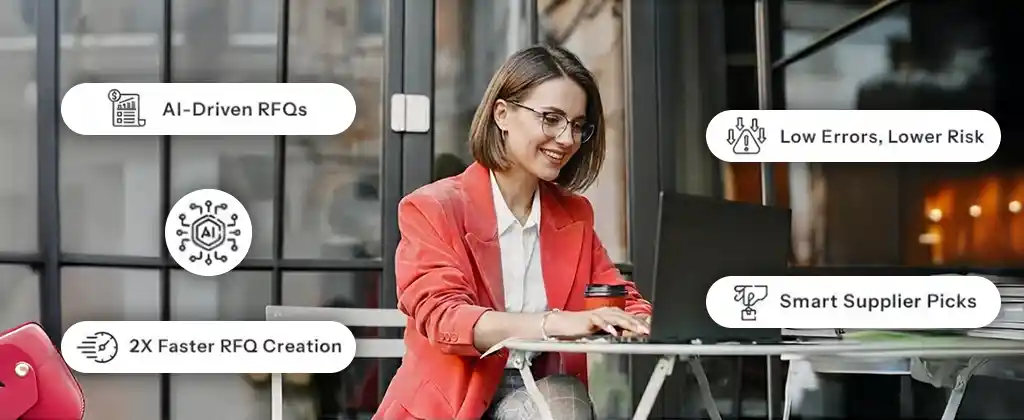
Making these ideas work daily takes a system built for the future of procurement. ProcureKey helps your team run buying cycles much faster. It gives you clear requests, item-by-item bidding, and easy supplier collaboration all in one place.
You can easily bring on new suppliers and check their work over time. This keeps your risk and compliance checks current without needing more staff. Requests and multi-level approvals happen automatically.
This saves time while keeping strict financial control. You can use AI to suggest suppliers and help with scoring right when you need it most. Using the right tech lets you act on the biggest industry shifts without slowing down your daily work.
Conclusion
The procurement of the future needs smart, accountable automation and connected steps. Building strong supplier networks is a must to keep things running and add real value. Smartest move for 2026? Pick few of these trends to focus on. Match them to your core business goals and take small, fast steps to get lasting results.
Frequently Asked Questions
Lorem ipsum dolor sit amet, consectetur adipiscing elit. Ut elit tellus, luctus nec ullamcorper mattis, pulvinar dapibus leo.
 17th, June 2026 | 12:00 PM EST
 30 Min + Q&A