



Category
Strategic SourcingDate Posted
March 31, 2026Agility is just as important in modern procurement as cost optimization. Companies usually have one-time or urgent needs that can’t wait for drawn-out contract negotiations or sourcing cycles. This is where understanding “what is spot buying” becomes important. Spot buying refers to a one-off purchase made outside long-term contracts to address immediate or unexpected needs. Whereas a spot purchase may entail streamlined approvals and limited supplier comparison, a spot buy prioritizes speed and prompt fulfillment. Spot buying promotes operational continuity and governance when done correctly.
What’s covered in this article?
- What is spot buying?
It is a one-time, urgent procurement activity executed outside long-term supplier agreements. - What does spot buy refer to?
A spot buy is typically used for tail spend, emergency needs, or niche requirements. - Does spot purchase make a difference?
A spot purchase enables flexibility but must follow structured approval workflows. - What does Digital Sourcing software do for organisations?
Software for digital sourcing guarantees cost control, visibility, and compliance. - What difference are all of the above variables making in 2026?
Tactical procurement is changing in 2026 due to AI-led and autonomous sourcing
What is Spot Buying? What are its Benefits and Procedure?
To clearly define what is spot buying, it can be said as a tactical procurement method used when goods or services are required immediately and are not covered under existing contracts. Unlike long-term sourcing strategies, a spot buy is reactive, short-term, and transactional.
A spot purchase generally occurs in situations such as:
-
Urgent operational breakdowns
-
One-time service engagements
-
Specialized product requirements
-
Trial orders with new suppliers
-
Short-term price advantages

While the process is faster, governance is still critical to prevent uncontrolled spending.
Spot Buying vs Strategic Sourcing
Understanding “what is spot buying” becomes easier when compared with structured sourcing.
| Parameter | Spot Buying | Strategic Sourcing |
|---|---|---|
| Planning | Reactive | Proactive |
| Duration | One-time | Long-term |
| Supplier Engagement | Transactional | Strategic |
| Documentation | Minimal | Detailed RFP/RFQ |
| Objective | Speed & Urgency | Cost Optimization |
Explore sourcing meaning in depth if you want to learn and understand comprehensive sourcing frameworks better.
When Should Organizations Use Spot Buying?
A spot buy is best suited when speed outweighs negotiation depth. In situations like:
-
1. Emergency Procurement
When there are Unexpected errors, malfunctions or legal obligations pressed.
-
2. Tail Spend Categories
low value and fragmented purchases.
-
3. One-Time Projects
Spendings on event services, rented equipment, and short-term consulting.
-
4. Market Opportunities
A spot purchase can guarantee quick profits when commodity prices decline.

The Spot Buying Process: How It Should Actually Work
Most spot buys follow a predictable pattern. The problem isn’t the steps — it’s that half of them happen in email and nobody can trace what happened three weeks later. Here’s what a structured spot buy looks like when the process is digital from the start.
Step 1: PR Raised Inside the System Stakeholder has an urgent need. They raise a purchase requisition — not an email, not a Teams message. A structured PR with specs, quantity, budget code, and delivery expectation. It lands in the system, validated against budget, routed to the right approver. Takes two minutes. Creates a record that exists six months from now when someone asks what happened.
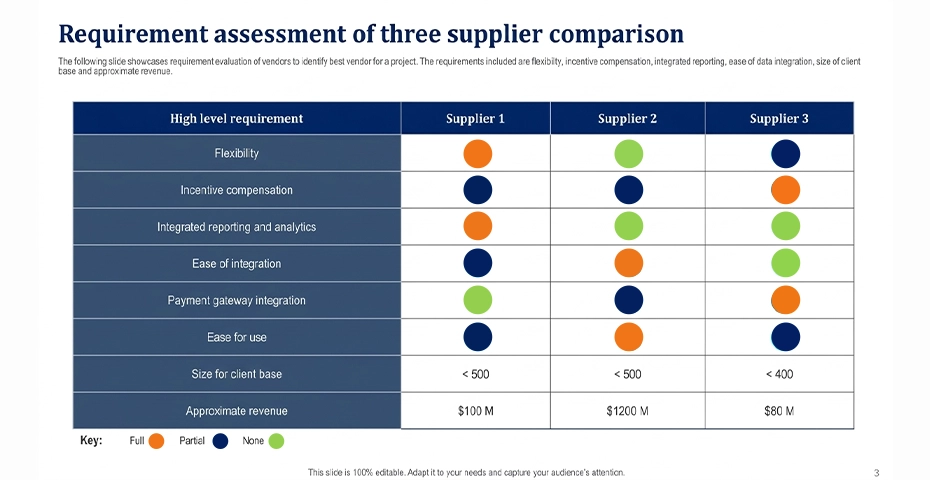
Step 2: RFQ Issued to Selected Suppliers PR approved? An RFQ goes out to shortlisted vendors who can actually deliver on the timeline. Not a mass blast. Targeted. Suppliers respond through a portal with structured quotes — same format, same fields. No more chasing three vendors across three email threads for numbers you can’t compare.
Step 3: Quote Normalisation and Comparison Responses come back. The system lines them up side by side — pricing, lead time, compliance, delivery terms. Apples to apples. No reformatting supplier PDFs into your own spreadsheet. The comparison is already built. You spot the outlier in seconds, not hours.
Step 4: Automated Approval Routing The recommendation moves through a predefined approval workflow. Budget thresholds, compliance checks, category rules — all configured. The right person sees it at the right time. No chasing signatures. No “can you approve this” pings on Teams at 5pm.
Step 5: Audit Trail Created, PO Handed Off to ERP Award is made. Every quote, every score, every approval — logged. The purchase order data flows into your ERP to trigger the downstream process. When audit asks why this supplier was chosen for an urgent buy six months ago, the answer takes thirty seconds to pull. Not three days of inbox archaeology.
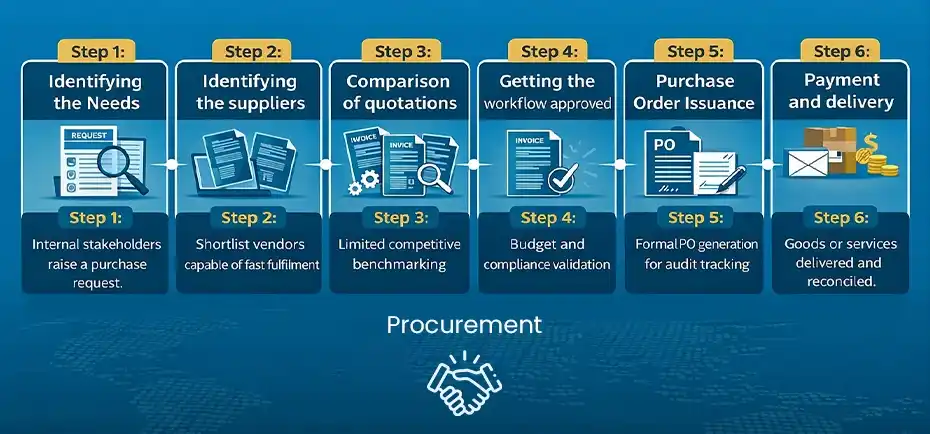
Using centralized sourcing software ensures every spot purchase remains compliant and traceable.
Benefits of Spot Buying
A well-managed spot buy delivers operational advantages:
-
1. Speed & Agility
Immediate resolution of urgent needs.
-
2. Flexibility
No restrictions of long-term commitments.
-
3. Reduced Documentation
Faster processing compared to full sourcing events.
-
4. Supplier Testing
Trial engagement before strategic onboarding.
-
5. Market Responsiveness
Ability to capitalize on temporary price dips via a spot purchase.
Risks of Unmanaged Spot Buying
Without governance, what is spot buying can lead to fragmented spend.
Common Risks
-
Maverick purchasing
-
Budget leakage
-
Limited spend visibility
-
Compliance gaps
-
Supplier duplication
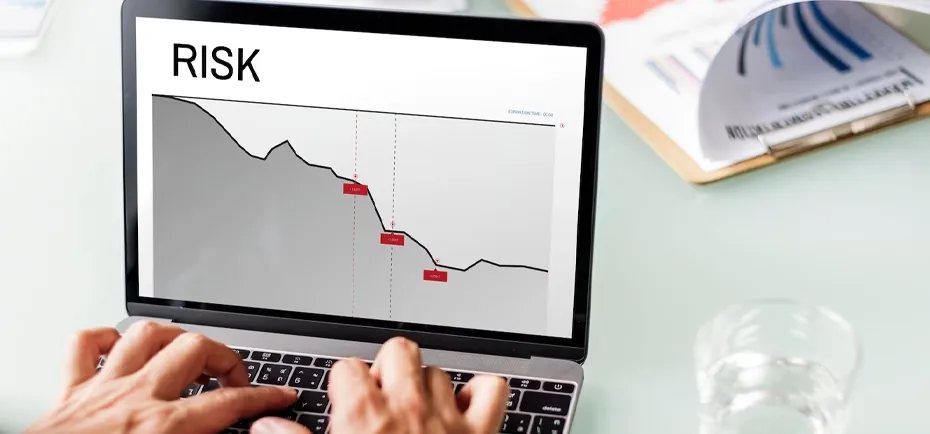
This is why structured processes are critical.
Spot Buying and Tail Spend Management
Tail spend often represents a significant portion of overall procurement volume. Many spot buy transactions fall under this category.
The sourcing teams in growing organisations incorporate tactical buys into centralized digital workflows. Hence, they don’t see spot buying as uncontrolled. With AI-enabled autonomous sourcing, organizations can automate vendor discovery, approvals, and benchmarking.
How has spot buying transformed in 2026?
Digital transformation is redefining what is spot buying.
-
AI-Based Supplier Matching
Automated vendor recommendations.
-
Dynamic Price Benchmarking
Real-time data comparison for smarter spot purchase decisions.
-
Workflow Automation
Built-in compliance contributing to faster approvals.
-
Spend Analytics
Visibility into every spot buy across departments.
Best Practices for Managing Spot Purchases
To ensure control:
-
Define spend thresholds for spot purchase transactions
-
Centralize requisitions
-
Automate approvals
-
Review quarterly tail spend reports
-
Integrate spot buying within enterprise sourcing software
Digitize spot buying without adding another system with ProcureKey Sourcing Solutions
Frequently Asked Questions
In simple terms:
Spot purchase = Speed and flexibility
Strategic sourcing = Cost optimization through planning
- The requirement is urgent
- The item is not covered under an existing contract
- The purchase is low-to-medium value
- The need is temporary or one-time
- Market prices are favorable for short-term buying
But if your organisation works on structured approval workflows and digital sourcing software, these risks can be significantly reduced.
- Faster procurement cycles
- Operational continuity
- Supplier testing opportunities
- Less complexities in administration
- No obligations of long-term commitment
A spot buy supports agility without compromising control, when governed properly.
- Setting spend thresholds
- Centralizing requisitions
- Automating approval workflows
- Tracking supplier performance
- Using analytics to monitor tail spend
Integrating spot buying within structured sourcing software ensures audit trails and policy enforcement.
- Unavoidable spare part sourcing after machinery breakdown
- Hiring for consultants for short-term projects
- Buying raw materials when prices have dropped for a short period of time
- Equipment rentals for one-time event