


Category
Strategic SourcingDate Posted
March 30, 2026Procurement teams drive real business value today. They do much more than just place orders. But manual data entry still costs companies far too much money. In fact, setting up one single vendor manually can cost a company up to $35,000. This guide covers the complete supplier onboarding process. Note that supplier onboarding and vendor onboarding mean the exact same thing.
This guide breaks down the vendor onboarding process and shows how to control global supply chain risks. By automating these clear steps, teams can cut their total cycle times by 85 percent. It turns a slow task into a clear business advantage.
What Is Supplier Onboarding
What does supplier onboarding mean in plain language
Supplier onboarding is the step-by-step process of collecting and checking data to approve a new vendor. It acts as the main front door for your business. A good onboarding program builds a safe network. It makes sure only safe, capable, and legal vendors enter your sourcing events.
This process is no longer just about filling out a tax form. Companies that manage this digital front door well see huge benefits. For example, digital masters see a 32 percent lead over average companies when it comes to driving innovation with suppliers. If your data is messy from day one, you cannot track performance or build strong partnerships later.
Setting this up is not always easy. Getting different teams to agree on the right data takes real work. But the payoff is clear. A clean front door keeps your company safe and speeds up every purchase you make.
Is supplier onboarding the same as vendor onboarding
Yes. Procurement teams use these two terms every day to mean the exact same thing. There is no real difference between them in the business world. However, it is very important to know that onboarding is just the first step in a longer journey.
-
Enablement happens next. This ensures the new vendor knows how to use your specific billing systems. It teaches them how to submit correct invoices and talk to your team.
-
Ongoing management follows that. This is the long-term phase. Here, you track their daily delivery speed, their contract rules, and their overall quality over many years.
The initial onboarding phase simply builds the required foundation for all these future steps. If the foundation is weak, the rest of the relationship will struggle.
Who is involved in supplier onboarding
A modern onboarding workflow requires teamwork across your whole company. In a large enterprise, relying on just one person to approve a vendor is a huge security risk. Many different experts must review the vendor’s profile.
-
Procurement looks at operational skills, general pricing, and market fit. They simply want to ensure the vendor can deliver the items at a fair cost.
-
Finance and Accounts Payable care about banking details, exact tax setups, and payment channels. They want to make sure money flows safely and legally.
-
Legal and compliance teams review risk. They read the master service agreements and check that the vendor holds the right insurance policies.
-
IT and cybersecurity check the vendor's data security. They want to stop digital attacks before the vendor connects to your internal network.
Why Supplier Onboarding Matters
How supplier onboarding reduces risk and compliance exposure
Checking your vendors carefully protects your business from major financial loss. The business world is moving fast, and digital supply chains have created a wide opening for bad actors. Cyber fraud is a massive problem right now. In fact, cyber fraud targeted 90 percent of U.S. companies recently.
This makes your onboarding process your strongest shield. Total reported losses to fraud jumped 25 percent to a record $12.5 billion this year. Scammers look for weak spots. They love manual onboarding. They send fake emails to change bank routing numbers. If you do not have a strong system, you might pay the wrong person.
Deep background checks and strict identity rules provide safety. A secure digital front door keeps unknown and dangerous actors out of your accounting systems completely.
How supplier onboarding speeds up purchasing and payments
When you collect clean, verified data on day one, you stop expensive invoice errors later. This simple fact leads to much faster purchase orders. It creates smoother internal approvals. Most importantly, it removes heavy stress from your accounts payable team.
The Accounts Payable Impact
By removing the manual work of chasing missing tax details, your finance team can focus on real strategy. The financial math is clear. Top organizations using automated systems can process invoices for as low as $1.45 each, compared to $15.00 in a manual setup.
This drop in processing cost saves the company serious money. It allows your finance team to handle more work without hiring extra staff.
How supplier onboarding improves supplier relationships
A clear, structured process sets great expectations for your partners. It stops frustrating loops of endless questions. It ends confusing email threads. It speeds up the time it takes for them to get their first order.
Better communication up front builds trust. An efficient process also directly helps your company’s cash flow. When you onboard suppliers quickly, you can capture early-payment discounts at a rate of 75 percent.
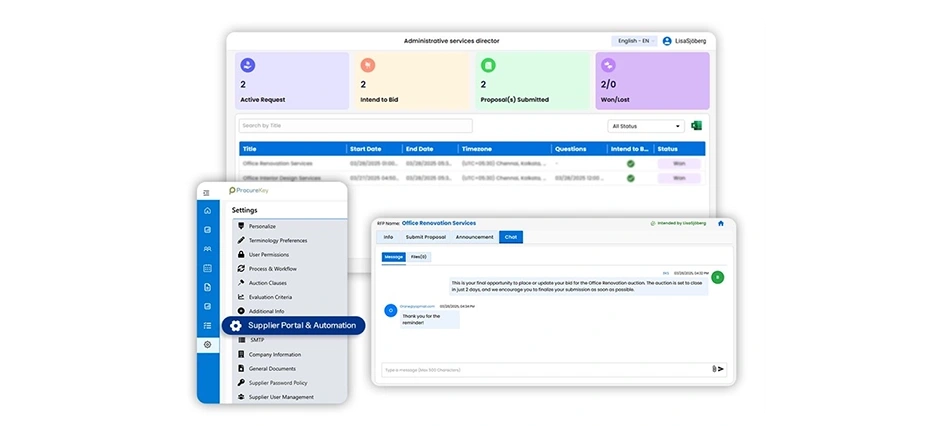
You can also use corporate credit cards to extend your own payment terms while making sure the vendor gets paid right away. We help buyers to formally onboard, assess, and approve suppliers with easy digital forms. This creates a win for the buyer and a win for the seller.
Stop manual chasing and block risky vendors from entering your sourcing pipeline today.
How the Vendor Onboarding Process Works Step by Step
Step 1 Supplier identification and vetting
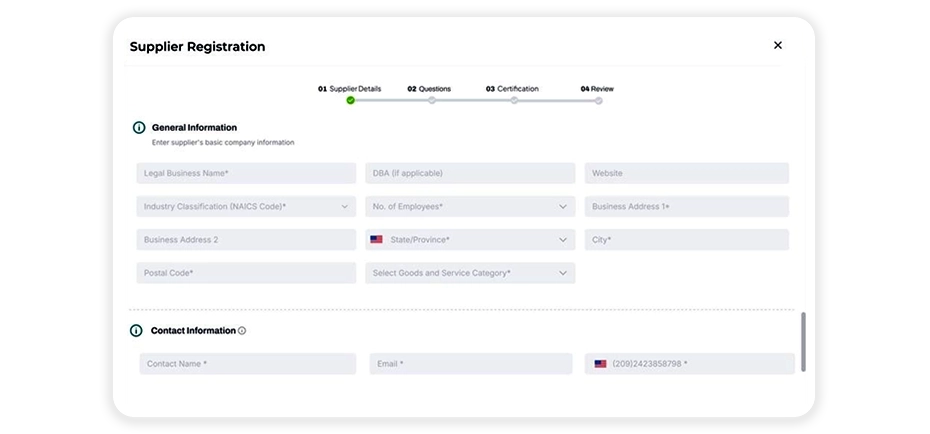
The vendor onboarding process starts when your business needs something new. Buyers look at the market, check early prices, and gather basic company facts. They want to see if the vendor is a basic match.
This early check is very important when you work with smaller vendors. Today, 91 percent of U.S. procurement leaders are actively increasing their use of small suppliers. Smaller vendors often move faster and offer unique skills.
However, broken vetting processes often stop companies from using these small vendors. Clear identification rules solve this problem. You filter out the vendors who cannot meet your needs right away.
Step 2 Due diligence and risk assessment
Once you pick a vendor, your team must run financial health checks. You must also check global watchlists. The depth of these checks depends on the vendor. A local office supply store needs less checking than an overseas software provider.
This step shows a common blind spot in modern supply chains. While many companies check their direct partners, 38 percent of leaders say limited visibility into Tier 2 and Tier 3 suppliers causes major disruptions.
Worse, visibility into these deeper supply chain levels recently fell by 7 percentage points. Good due diligence means asking your direct vendors about their own suppliers to stay safe.
Step 3 Contract and compliance setup
This step handles all internal policies, insurance checks, and legal papers. Vendors must review and sign non-disclosure agreements. They sign master service agreements. Legal teams provide the final green light during this phase.
New environmental and social rules have made this step much stricter. Companies must now collect data on carbon emissions and labor standards from their vendors. If they fail, they face large fines.
There is a bright side to this extra work. Companies using responsible sourcing practices have achieved operational cost reductions of 15 to 25 percent. Good compliance actually saves money.
Step 4 Data collection and ERP registration
This is the true core of the new vendor onboarding process. You must collect exact banking details, correct addresses, and official tax numbers. You then enter this into your Enterprise Resource Planning (ERP) system.
Clean data here ensures smooth daily operations later. Top companies use software to stop humans from typing this data manually. But, your data systems must be ready. Right now, 74 percent of CPOs admit that their organizational data is not AI-ready.
Fixing this data layer creates a perfect record. For instance, adopting smart data capture tools helped Logitech reach 83 percent touchless invoice processing.
Step 5 Training and communication
New vendors need a log-in to your portal. They need clear, simple instructions on how to send you an invoice. A short checklist explaining what to expect in week one stops early anger and confusion.
We see new technology helping with this training. The augmented connected workforce is digitizing daily procedures to help suppliers learn complex systems much faster.
Clear talk during this step prevents a small invoice error from turning into a massive payment delay.
Step 6 Ongoing performance monitoring
Turning the vendor’s account “on” is not the end of the vendor onboarding process. Buyers must monitor delivery times constantly. They must ensure important insurance documents do not expire.
This ongoing tracking sets the stage for future contract talks. Smart software handles much of this tracking today.
Agentic AI systems act like digital workers that can make routine decisions on their own. They track market changes and update vendor scores without human help.
How long does supplier onboarding take in practice
A simple local vendor might take just three days to approve if their paperwork is perfect. A complex international vendor often takes four weeks because of deep background checks and tricky tax laws.
If you rely on old, manual steps, the wait times grow very long. One global manufacturing company struggled with manual work that pushed their average onboarding time to 50 days.
By moving to a central digital portal, they cut that cycle down to just 8 days. This simple change helped the business move much faster.

Centralize your entire vendor lifecycle and track supplier compliance in one secure platform.
Common Challenges in Supplier Onboarding
Why incomplete supplier data causes delays
Vendors often miss required fields on forms. They misunderstand complex tax rules. Sometimes, they upload an expired insurance paper by mistake. This forces your team to chase them down using unsecure emails.
These delays hurt your company’s cash flow in a real way. Studies show that up to $54.7 billion sits trapped on the balance sheets of public companies due to bad collection and procurement processes.
When onboarding stops, you cannot negotiate better payment terms. Important capital remains locked up simply because a vendor profile is missing a document.
Why manual workflows break at scale
Using spreadsheets and email chains creates a mess of approvals. No one knows who is supposed to click “approve” next when legal, IT, and finance are all involved.
Manual work also wastes your team’s time. Companies using automated portals drop their per-supplier onboarding cost to about $2,400.
This is a 93 percent cost reduction compared to companies doing it by hand. Trying to run a large business on spreadsheets just costs too much money.
Why compliance requirements create bottlenecks
Global tax laws and legal rules add heavy friction. Different states and countries ask for completely different paperwork. Trying to manage these exact rules manually leads to major errors.
The rules around the environment and human rights are also getting much stricter. Right now, only 9 percent of organizations say they fully comply with new environmental standards.
Asking for detailed carbon data manually from hundreds of vendors creates a giant roadblock. It frustrates the vendor and delays the project.
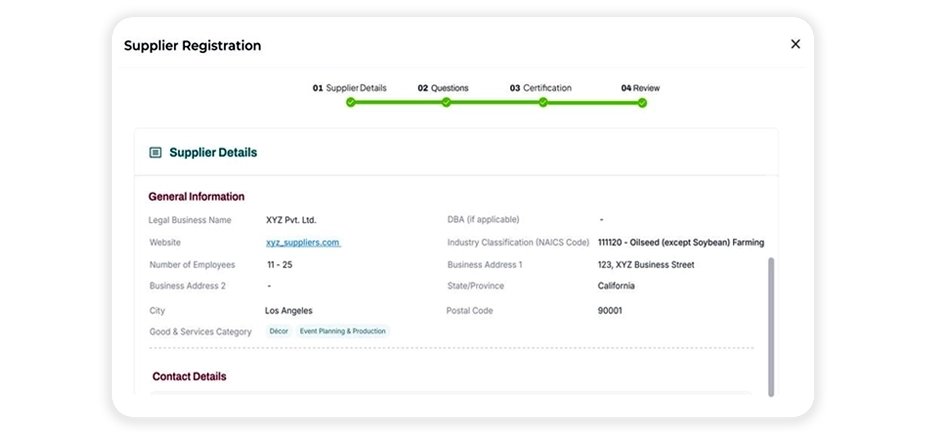
Eliminate missing tax documents and speed up your vendor approval cycles using structured forms.
Supplier Onboarding Best Practices
How to standardize supplier onboarding without slowing it down
Use clear, standard checklists. Build workflows that match the actual risk of the vendor. Tell the vendor exactly what documents they need before they even start filling out the forms.
-
Smart Routing: A local office cleaner does not need the same massive IT security check as a global payroll software vendor. Build your process so low-risk vendors skip the hard steps.
To do this right, your team needs the right skills. Today, roughly 90 percent of supply chain leaders say their companies lack the digital talent needed.
We help buyers evaluate vendor performance fairly by standardizing these steps in a simple system. This makes the job easier for your team.
How to make supplier onboarding easier for suppliers
Use plain, simple language in your instructions. Give vendors a clean online portal where they can upload their own files. Offer fast support if they get stuck.
Quick feedback loops let the vendor know exactly where they sit in line. A great process balances your strict safety rules with a smooth, easy experience for the supplier.
Your internal team must know how to guide the vendor through this digital portal quickly. Good training on your side stops delays on their side.
How automation improves accuracy and cycle time
Use software to check tax ID formats automatically. Let the system route the approval to the right manager based on the vendor’s category. Set up automatic emails that remind vendors when their insurance is about to expire.
The money saved by using automation is very clear. Companies investing heavily in digital tools and AI see a 2.8x to 3.2x return on that investment.
Looking ahead, these smart systems will automate 15 percent of daily work decisions by 2028. Using automation now keeps your process fast and exact.
How to keep improving the process over time
Watch your total cycle times every month. Count how many times a vendor form gets sent back for errors. Ask your vendors for honest feedback to find hidden roadblocks in your forms.
Great procurement means looking for ways to improve constantly. You want to move your staff away from typing data and toward building smart sourcing strategies.
Make sure your leadership team cares about this. Companies where the board of directors watches supply chain risk report 20 percent fewer critical risk events.

Move away from messy spreadsheets and manage all global supplier relationships safely online.
Supplier Onboarding Software What to Look For
What features matter most in supplier onboarding software
You need a self-service portal where vendors answer mandatory questions. The tool must check bank details automatically. It must format global tax numbers correctly. It should let you build custom approval paths.
The software must also handle ongoing checks. It should watch document dates and alert the vendor when it is time to upload a new file.
Most importantly, it must stop fraud. You need a tool that can verify bank account ownership against official sources instead of just trusting what the vendor types. Look for systems that keep your supplier base accurate and compliant without daily manual effort.
How to evaluate integration and scalability
The software must connect smoothly to your main ERP system (like SAP or Oracle). If the systems do not talk to each other, your team will have to type the same data twice. This causes sync errors and bad data.
The tool must also scale as you grow. When you run a large sourcing event, the software should move the vendor’s onboarding data directly into the bid event.
This stops you from asking the vendor the same questions twice. It speeds up the time it takes to award a contract safely.
What a secure onboarding experience looks like
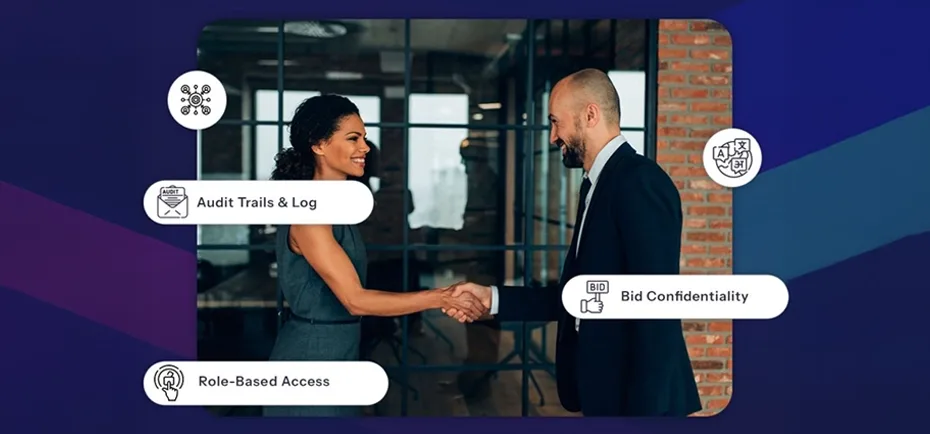
A secure tool encrypts data to protect bank details. It uses strict access rules. This means a junior buyer only sees what they need to see, while the finance manager sees the secure bank data.
Security also means stopping inside threats. The best software enforces rules so that the person who creates the vendor account cannot be the same person who approves the vendor payment.
Companies take these threats very seriously now. In fact, 83 percent of surveyed business leaders plan to use GenAI tools to detect malware and stop phishing attacks. You need software that helps you centralize every step of supplier management in a highly secure environment.
Supplier Onboarding Checklist You Can Copy Use this simple checklist to build
Use this simple checklist to build a standard new vendor onboarding process. Clear ownership stops the confusion that delays vendor activation.
| Process Step | Primary Owner | Required Vendor Inputs | Target Status |
|---|---|---|---|
| 1. Initial Vetting | Procurement | Company name, key contacts, service items | Approved |
| 2. Due Diligence | Compliance | Financial records, background check forms | Approved |
| 3. Contract Setup | Legal | Signed MSA, NDA, ESG facts, insurance | Approved |
| 4. ERP Registration | Finance / AP | Tax IDs, verified bank details, pay address | Approved |
| 5. Activation | Procurement | Procurement | Complete |
Build a Better Supplier Network
Strong business relationships start with clear, easy communication. Ensure your team has the exact tools they need to review clean data instead of chasing lost paperwork. Protect your company in a digital space built for modern procurement.
Conclusion
Good supplier onboarding changes basic data entry into a clear strategic win. It takes real work, but it protects your cash flow and speeds up daily buying. By using best practices and the right tools, you build a safe, audit-ready supply base. Ready to fix your process and move faster today?
 17th, June 2026 | 12:00 PM EST
 30 Min + Q&A